

Share
Sale and leaseback lets a business sell equipment it owns to a finance company and lease it straight back, releasing cash while the asset stays in service.
Sale and leaseback is a way for a business to release cash from equipment it already owns. You sell the asset, such as a truck or machine, to a finance company and lease it straight back, so you receive a lump sum and keep using the asset. It can suit businesses that need working capital and own equipment with a clear resale value.
Many businesses are sitting on capital they do not realise they have access to. Equipment, vehicles, machinery and other assets that have been paid off or partly paid down represent value that is locked up in the balance sheet. Sale and leaseback is a financing strategy that allows businesses to unlock that value without giving up the use of the asset.
It is an underused tool in the small to medium business space, but one that is worth understanding.
How sale and leaseback works
In a sale and leaseback arrangement, a business sells an asset it already owns to a finance company and then immediately leases it back. The business receives a lump sum of cash from the sale and continues to use the asset exactly as before, making regular lease payments to the finance company over an agreed term.
At the end of the lease, depending on the structure, the business may have the option to purchase the asset back, extend the lease or return the asset.
The process usually runs like this:
- The finance company values the asset and confirms it is free of other finance, or arranges to pay out any existing loan.
- The business sells the asset to the finance company and receives the purchase price, less any payout.
- The two parties sign a lease for an agreed term and payment schedule.
- The business keeps using the asset and makes lease payments until the term ends.
What types of assets can be used?
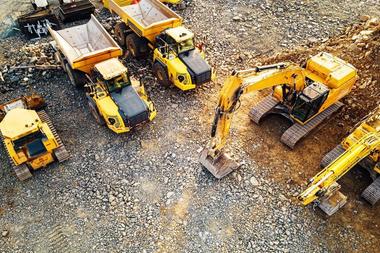
Sale and leaseback works best with assets that have a clear, assessable market value and a reasonable remaining useful life. Commercial vehicles, earthmoving and construction equipment, manufacturing machinery, medical and dental equipment, and technology assets are all commonly used in these arrangements.
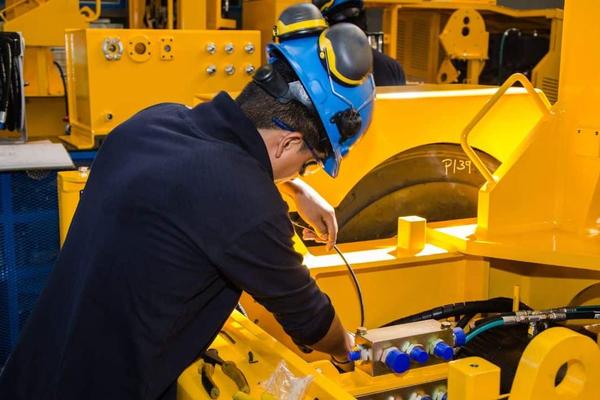
The finance company will assess the current value of the asset as part of the process, so the condition, age and marketability of the asset all influence what can be unlocked. Well-maintained equipment with service records and a strong second-hand market generally attracts a higher valuation than older or highly specialised gear.
When it tends to make sense
Sale and leaseback is not the right solution for every situation, but there are circumstances where it suits well:
- A business that needs working capital but does not want to take on additional debt may find that releasing equity from existing assets is a more appropriate path than a business loan.
- A business investing heavily in growth that needs cash without disrupting operations can use sale and leaseback to fund expansion while keeping the assets in service.
- A business that has recently paid off equipment outright may have significant value sitting idle on the balance sheet that could be put to better use.
| Sale and leaseback | Equipment refinance | Unsecured business loan | |
|---|---|---|---|
| Who owns the asset | The finance company during the lease | Your business | Your business |
| Security | The asset | The asset | Usually none, or a personal guarantee |
| Cash available | Based on the asset’s value | Based on the asset’s value | Based on business cash flow |
| Typical cost | Lease payments | Loan repayments | Typically higher rates |
| End of term | Buy back, extend or return | You keep the asset | Loan repaid |
For a fuller comparison of keeping ownership and borrowing against equipment, read equipment finance vs equipment refinance. If your cash need is short term and tied to slow-paying customers, invoice finance may suit better.
What to consider before proceeding
There are a few considerations to work through before entering a sale and leaseback arrangement.
The ongoing lease payments become a fixed cost obligation, so understanding how they sit within your cash flow is important. Model the payments against your quieter months as well as your busy ones.
The tax treatment can vary depending on how the arrangement is structured, and input from your accountant is worthwhile before committing. Selling an asset can trigger a tax adjustment if its sale price differs from its written-down value, and GST may apply to the sale and the lease payments.
As with any finance product, the terms of the lease, including the payment schedule, end-of-term options and any early exit provisions, should be clearly understood before signing. Compare the total of the lease payments with the cash you’ll receive, so you know the full cost of the money.
Is sale and leaseback right for your business?
Sale and leaseback can turn idle equipment into working capital without interrupting your operations. It works best for businesses with well-maintained, marketable assets and a clear use for the cash. Our article on cash flow mistakes growing businesses make can help you work out whether the gap is short term or structural, and the new financial year and your equipment finance strategy covers the wider planning picture.
A finance broker can help you assess whether sale and leaseback is appropriate for your situation and compare your options across lenders who offer this type of arrangement, alongside equipment finance, cash flow finance and a business line of credit. Attain Loans is a business finance broker in Melbourne’s west, and any facility is subject to the lender’s assessment.
This article is general information only and doesn’t take into account your objectives, financial situation or needs. Tax outcomes depend on your circumstances. Consider whether it’s appropriate for you and speak with a licensed professional, including your accountant, before making a decision.
Further questions
How does a sale and leaseback work?
What assets can be used for sale and leaseback?
Is sale and leaseback a loan?
What are the disadvantages of sale and leaseback?
What is the difference between sale and leaseback and equipment refinance?
This is general information only and is subject to change at any given time. Your complete financial situation will need to be assessed before acceptance of any proposal or product.